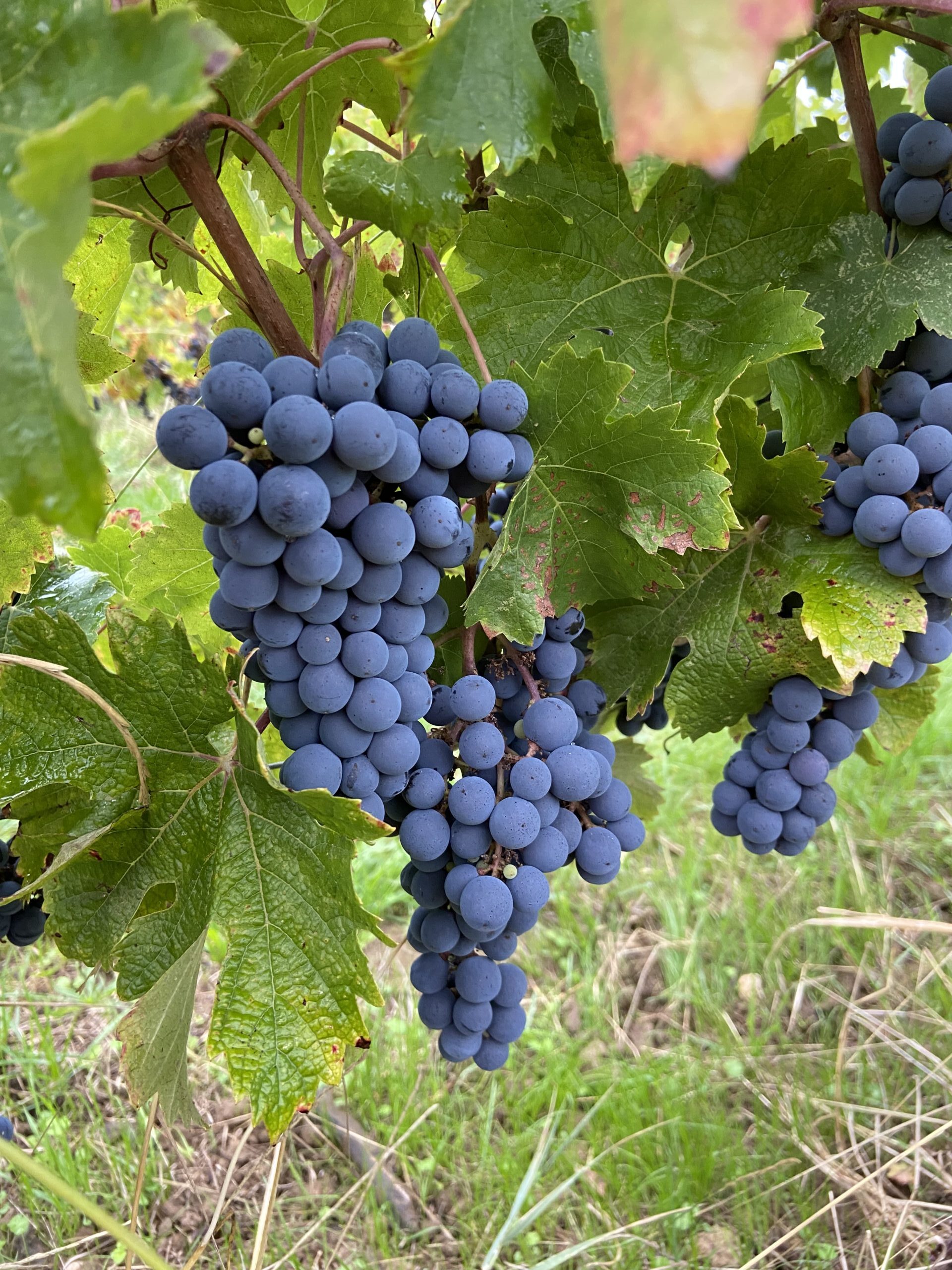
The French Ministry of Agriculture typically publishes first official estimation of the upcoming grape harvest in early August—usually around the 7th. By this time, as the grapes have usually entered the ripening stage, it becomes clear what harvest volume to expect and how much wine the current vintage will yield. However, 2026 has been marked by atypical, even extreme conditions: prolonged heat (with temperatures occasionally exceeding 40°C) and a persistent lack of rainfall. These factors affect not only volume but also grape ripening; consequently, the Ministry has postponed preliminary harvest estimation by a full month, until early September.
Why Harvest Estimation Were Postponed
The summer of 2026 proved to be one of the hottest and driest in decades, featuring record-breaking temperatures and rainfall levels 70% below average.
Nevertheless, the start of the viticultural season seemed quite favorable: winter rains had replenished the groundwater reserves that nourish the vines in the months that followed, severe frosts spared the vineyards, and flowering took place under good conditions.
Yet, despite this positive start—which ensured successful flowering and fruit set, laying the groundwork for a potentially excellent vintage—winemakers could not yet breathe easy.
The subsequent hot summer—characterized by above-average temperatures, heatwaves, and a lack of sufficient rainfall—changed the situation. Water stress across many French regions and the rapid depletion of groundwater reserves forced the vines to focus on survival rather than increasing volume or ripening their berries. As a result, the grape clusters and berries are gaining volume more slowly, because the vine uses available water to sustain its own vital functions, while ripening slows down or halts entirely. Furthermore, weather conditions can fluctuate throughout August and September. For this reason, initial forecasts regarding the 2026 vintage may prove inaccurate, prompting industry experts to postpone them until a date closer to the potential start of the harvest.
The main uncertainty: August weather
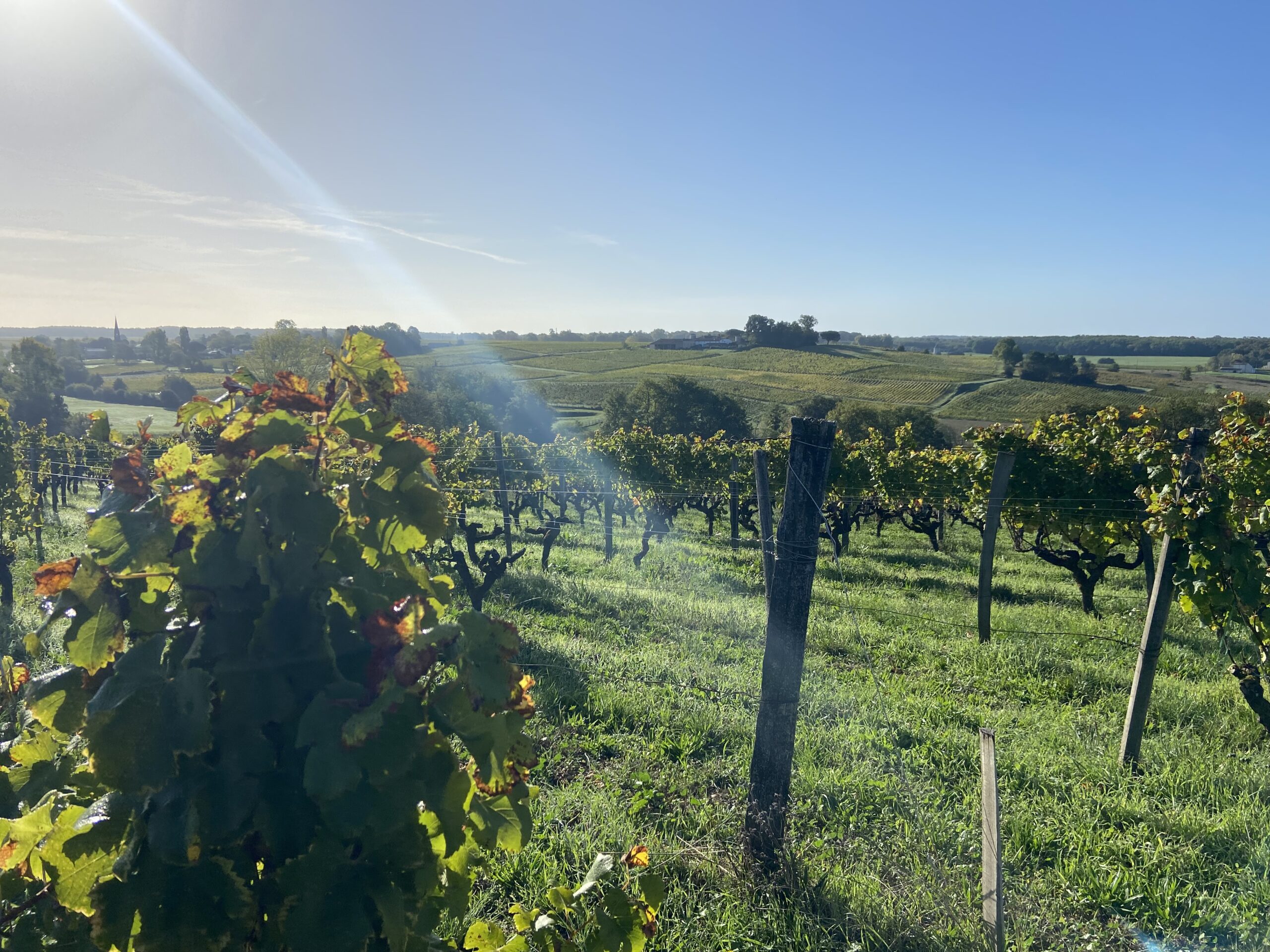
It is precisely the uncertainty surrounding the weather during the finalmonth before the harvest that has led specialists to delay their forecasts.
The coming weeks are critical, as weather conditions during this time determine not only the yield volume but also the grapes’ technical and phenolic maturity. If conditions normalize across most regions—with increased rainfall and sufficiently cool night temperatures—the vines will be able to partially recover from water stress, retain acidity in the berries, and continue ripening at a relatively steady pace.
Conversely, another spell of heat and drought would cause the potential yield to shrink further and slow down the ripening process again. Moreover, such a scenario would threaten the survival of young vines planted in well-drained soils, as moisture levels would fall below the threshold required for their own survival.
It is worth noting that recent weather instability can bring not only drought but also torrential rains—sometimes occurring right before the harvest. This presents a different set of problems: the berries swell with water, yet the vines lack the time to develop sufficient aromatic compounds or bring the increased berry volume to the desired level of maturity. Consequently, the resulting wines may taste “diluted” or “under-ripe.”
All these potential developments over the coming weeks could impact yield volume, quality, and the timing of the harvest, making it significantly difficult to provide first assessments of the 2026 vintage during the usual timeframe.
What can be said about the quality of the 2026 vintage?
A reduced yield does not necessarily mean lower quality for the resulting wines. In fact, hot, dry weather can have a beneficial effect:
- The spread of fungal diseases slows down or even stops completely.
- With proper viticultural techniques, the berries become concentrated and develop mature tannins.
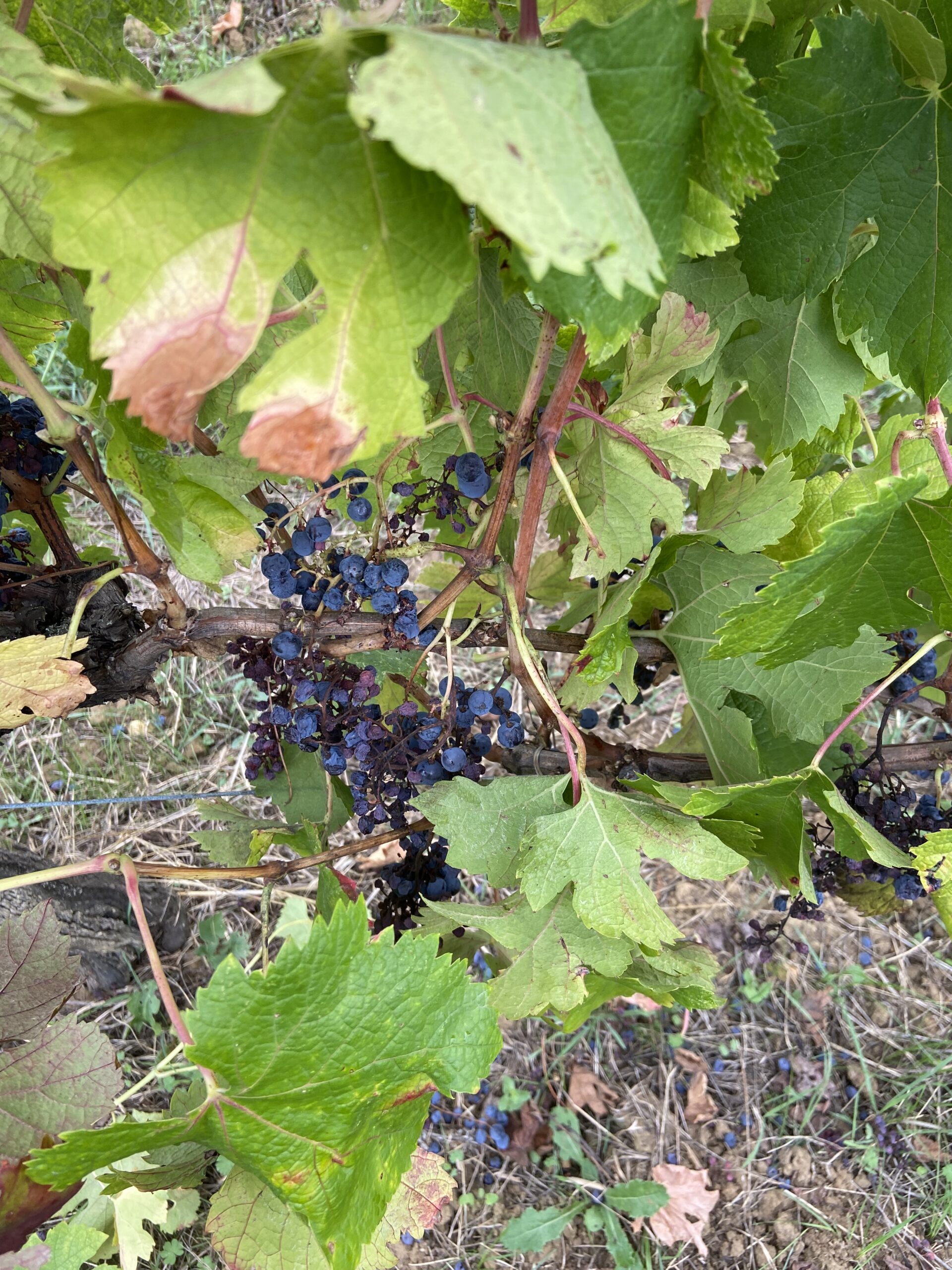
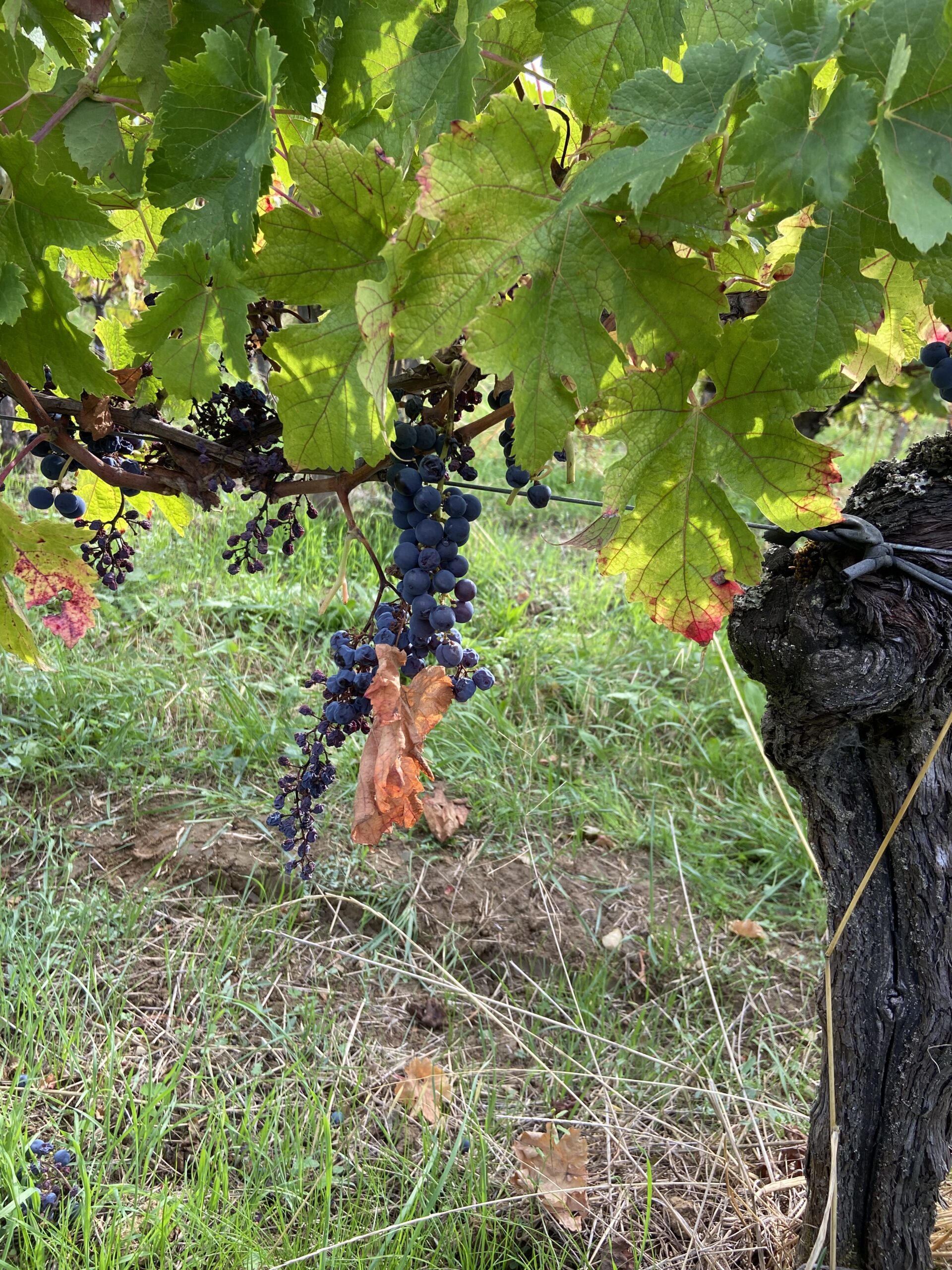
However, if the heat persists for too long, certain risks arise:
- Berry size decreases;
- Juice volume drops (and sometimes berries simply shrivel on the vine);
- Grape acidity may drop rapidly, especially in white varieties;
- The organoleptic profile of the grapes changes—aromatic notes may shift from fresh fruit to dried fruit or jam-like characteristics;
- Sugar accumulation accelerates, affecting the balance of the future wine.
That is why, as harvest approaches, winemakers closely monitor temperature trends, rainfall levels, and precipitation forecasts.
Harvesting remains early
A characteristic feature not only of the 2026 season but of recent years in general is the early start of the harvest. In the wine regions of southern France, picking has already begun (in some cases, as early as July)—several weeks ahead of the average.
Recurring heatwaves have altered grape ripening dynamics; consequently, to preserve the berries’ freshness and acidity—and the desired style of the future wine—many winemakers are deciding to harvest significantly earlier.
The Outlook for 2026 in Bordeaux
In Bordeaux, winemakers poised to begin the harvest at any moment are closely monitoring weather forecasts and unfolding conditions.
The region’s white varieties—Sauvignon Blanc, Sémillon, Muscadelle, and Sauvignon Gris—are very sensitive to high temperatures, which affect acidity retention. Acidity is a crucial component of white wines, determining their quality, freshness, and aging potential. Winemakers therefore strive to pinpoint the optimal moment to start harvesting white varieties, aiming to strike the best balance between aromatic ripeness and the berries’ natural acidity.
For red varieties, in addition to acidity, full phenolic ripeness of the skins and seeds—which dictate tannin quality—is essential. While their ripening cycle is longer and they are less susceptible to high temperatures, winemakers will monitor their development just as closely as September approaches.
Conclusion: 2026 Promises to Be a Highly Unusual Vintage
The 2026 vintage reinforces a trend seen in recent years: the climate is becoming increasingly unpredictable and stands as the primary source of uncertainty in French winemaking.
In the past, under more consistent climatic conditions, an initial crop assessment in early August was considered quite reliable. One could even apply a rule of thumb: the harvest would likely begin roughly 40 to 50 days after the onset of ripening—known as *véraison*, when the berries begin to change color from unripe green. Today, the climate is more unpredictable and weather forecasts are less accurate; consequently, experts prefer to defer preliminary assessments that could lead to erroneous projections of supply and demand in the wine market. It is more prudent to wait until the end of August—a critical and decisive month—to make more accurate estimates regarding the quantity and quality of the grape harvest.