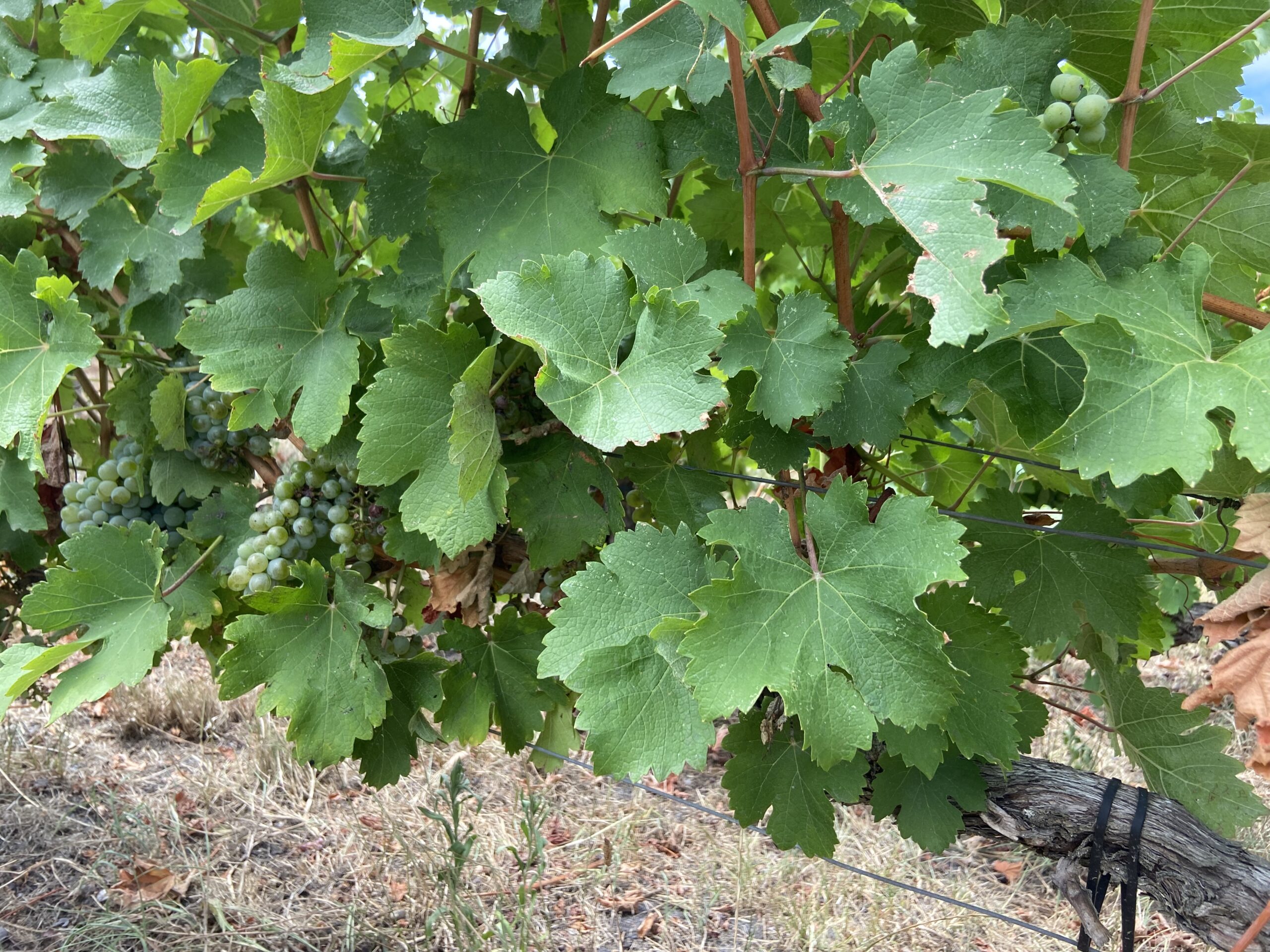
Today, August 6, 2026, the Bordeaux region has once again broken the record for the earliest harvest start date. Harvesting is about to begin for grapes destined for dry white wines, while those intended for sparkling wines—Crémant de Bordeaux—have already been sent to the wineries. According to the French wine industry publication vitisphere.com, winemakers belonging to the “Bordeaux Families” association have even started harvesting the red Merlot variety intended for Crémant, as it has reached a potential alcohol level of 9%. In Champagne, where the harvest start date is determined by the Comité Interprofessionnel du Vin de Champagne, the date was moved up from August 15 to August 12; in some areas, winemakers received special permission to harvest Chardonnay, which rapidly accumulated sugar levels equivalent to 11% potential alcohol over just a few days.
The exceptionally hot and dry conditions of 2026 have brought the harvest start dates in Bordeaux and Champagne forward; however, it is worth recalling how and when this process unfolds under normal conditions.
Producers of dry white wines and sparkling wines (Crémant) are usually the first to begin harvesting. Varieties such as Sauvignon Blanc, Sémillon, Muscadelle, and occasionally Sauvignon Gris are used to produce both the region’s fresh dry wines and its famous sweet wines. However, around mid-August, the very first grapes to be picked are those destined for Crémant and dry white wines.
There are two methods for determining the start of the harvest: the traditional, empirical approach—counting days from the onset of flowering or the start of color change (véraison)—and the modern, scientific approach, which relies on chemical analysis and tasting the grapes directly on the vine. Grapes are harvested only after the berries have achieved an optimal balance of sugars, acidity, and aromatic compounds. Preserving natural freshness and vibrant acidity is particularly crucial for dry white wines, so the timing of the harvest is calculated with great precision. Before harvesting begins, winemakers conduct regular analyses of the berries—often daily or even multiple times a day—measuring sugar content and acidity levels, tasting the grapes right on the vine, and closely monitoring the weather forecast. Sometimes the decision to start harvesting is made on just a few hours’ notice, as sustained high temperatures can cause grapes—especially white varieties—to lose acidity very rapidly. Furthermore, the harvest must take place during dry weather to prevent the spread of fungus to the nearly ripe fruit.
It is during these days that the future style of the white wine is determined: its freshness, minerality, aromatic profile, and aging potential. The quality of the vintage begins not in the winery but in the vineyard—with the choice of the right moment to harvest.